
What does eco-friendly assisted living mean?
Eco-friendly assisted living combines environmental responsibility with safe, comfortable daily care. The goal is not simply to use less energy or produce less waste. A well-designed community also protects indoor air quality, supports reliable operations, and makes everyday routines easier for older adults.
In practice, sustainable features may include efficient heating and cooling, water-saving fixtures, better insulation, natural lighting, recycling programs, lower-waste dining, durable furnishings, and landscaping suited to the local climate. These measures should support residents rather than create extra work or reduce comfort.
For families evaluating an assisted living setting, sustainability is best understood as part of building quality and care quality. A community that manages energy, water, waste, and indoor conditions carefully may also be better prepared for seasonal weather changes and service interruptions.
How can energy-efficient buildings improve resident comfort?
Energy efficiency can make indoor temperatures more consistent while reducing unnecessary heating and cooling. This matters in Brentwood, where assisted living communities must manage cold winters, warm humid summers, changing temperatures during spring and fall, and occasional heavy rain or snow.
Useful building features may include:
- Well-sealed windows and doors that reduce drafts
- Insulation in walls, roofs, and mechanical areas
- High-efficiency heating and cooling equipment
- Programmable controls adjusted for occupied areas
- Motion or daylight sensors in selected spaces
- Regular maintenance of filters, vents, boilers, heat pumps, and air-conditioning systems
- Backup power planning for critical lighting, elevators, refrigeration, and medical equipment
Energy efficiency should never mean allowing rooms to become too cold, too warm, or poorly ventilated. Older adults may be more sensitive to temperature changes, and some health conditions can make heat, humidity, or cold air especially uncomfortable. The practical question is whether efficiency improvements preserve stable temperatures and good airflow.
Why does indoor air quality matter in sustainable senior living?
Indoor air quality is closely connected to health, comfort, and building operations. Assisted living communities contain shared spaces, kitchens, laundry areas, bathrooms, and resident rooms, so ventilation and moisture control require ongoing attention.
Sustainable practices can include efficient ventilation systems, low-emission paints and flooring, prompt repair of leaks, regular filter replacement, and careful control of cleaning products. These steps can help reduce odors, excess moisture, dust, and irritating chemical fumes.
Fresh air must be balanced with energy conservation. Opening windows may be pleasant during mild weather, but it is not always appropriate during very cold, hot, smoky, or pollen-heavy conditions. Mechanical ventilation, filtration, and humidity control are often more reliable.
Residents and families may reasonably ask:
- How often are air filters changed?
- How are moisture problems handled?
- Are renovation materials selected for low chemical emissions?
- How does the building maintain ventilation during extreme weather?
- Are shared spaces cleaned without creating strong, persistent odors?
A greener building is not automatically a healthier building. Performance depends on maintenance, monitoring, and how systems are operated.
How do assisted living communities reduce water waste?
Water conservation can lower utility demand while protecting an essential resource. Common measures include low-flow faucets and showerheads, dual-flush toilets, leak detection, efficient laundry equipment, and irrigation systems that operate only when needed.
These features should be installed and adjusted carefully. Water-saving equipment that reduces flow too aggressively may be difficult for residents to use, especially those with limited strength or mobility. Fixtures should support safe bathing, handwashing, and personal care.
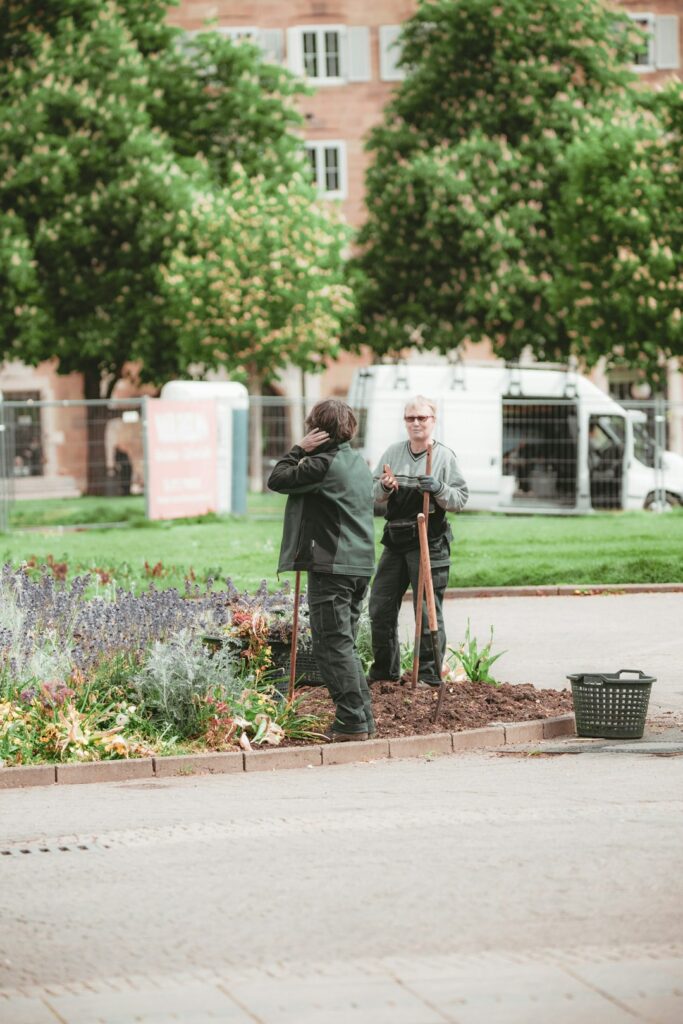
Landscaping also affects water use. Native or regionally appropriate plants generally require less irrigation once established. Rain gardens, permeable walkways, mulch, and carefully directed downspouts can help manage stormwater and reduce pooling around entrances.
This is useful during periods of heavy rainfall as well as dry spells. Safe outdoor areas should remain accessible, level, and free of slippery buildup. Environmental improvements should never interfere with handrails, walking paths, wheelchair access, snow removal, or emergency access.
What happens to food, medical, and household waste?
Waste reduction in assisted living is more complex than placing recycling bins in common areas. Communities must manage food scraps, packaging, paper, worn furnishings, cleaning materials, personal-care products, and certain healthcare-related waste streams.
Practical approaches may include:
- Purchasing supplies in appropriately sized quantities
- Using reusable dining items where sanitation procedures allow
- Separating food waste for composting or other approved handling
- Donating safe surplus food when permitted
- Choosing concentrated cleaning products with less packaging
- Repairing or reusing furniture instead of replacing it prematurely
- Providing clearly labeled recycling and waste containers
- Training staff to separate ordinary trash from regulated or potentially hazardous materials
Residents should not be expected to handle materials that require special disposal. Items such as sharps, certain medications, chemical products, and contaminated materials need to follow applicable safety procedures. Sustainability must remain secondary to infection prevention and safe waste handling.
Can local food and seasonal menus be part of sustainability?

Food service has environmental, health, and quality considerations. Menus that use seasonal ingredients when practical may reduce transportation demands and offer residents more variety. However, dietary needs, allergies, texture modifications, cultural preferences, and medical restrictions must come first.
A responsible dining program may track food waste, prepare portions carefully, use leftovers safely within food-safety rules, and offer appealing alternatives rather than relying on heavily processed convenience foods.
Gardening programs can also support resident engagement. Raised beds or container gardens may provide herbs, flowers, and sensory activities without requiring strenuous work. These areas should have accessible paths, shaded seating, safe tools, and staff oversight when needed.
The value is not limited to food production. Gardening can encourage movement, conversation, reminiscence, and connection with the seasons.
How can sustainability improve emergency readiness?
Sustainable design and emergency preparedness often reinforce each other. Efficient buildings may remain more comfortable during short interruptions, while stormwater management, backup power, and durable infrastructure can reduce operational risks.
For residents in Brentwood, preparation should account for winter storms, freezing temperatures, summer heat, heavy rain, and occasional power disruptions. Questions worth asking include:
- How are resident rooms kept safe during a heating or cooling outage?
- Is backup electricity reserved for essential systems?
- How are medications and refrigerated foods protected?
- Are entrances, ramps, and sidewalks maintained during snow or ice?
- How are residents informed if normal transportation, dining, or activity schedules change?
- Does the emergency plan account for residents who need mobility, oxygen, or memory support?
Solar panels, efficient equipment, or recycling programs are helpful, but they do not replace emergency planning. Resilience means maintaining essential care and communication when conditions are difficult.
What should families look for when comparing communities?
Families can look beyond environmental labels and ask for specific, observable information. A community does not need to make broad claims about being “green” to demonstrate responsible practices.
Useful indicators include:
- Comfortable temperatures in resident rooms and common areas
- Clean, well-maintained ventilation grilles and mechanical spaces
- Good control of odors and moisture
- Clearly marked recycling and waste containers
- Accessible outdoor areas with shade and seating
- Safe lighting that avoids unnecessary glare
- Evidence of routine equipment maintenance
- Practical plans for severe weather and utility interruptions
- Dining practices that address nutrition while limiting avoidable waste
The strongest sustainability efforts are usually routine rather than flashy. They appear in maintenance records, staff procedures, building design, purchasing decisions, food service, landscaping, and emergency planning.
For residents and families, the central question is simple: does the community’s environmental approach make daily life safer, healthier, more comfortable, and more dependable?
