
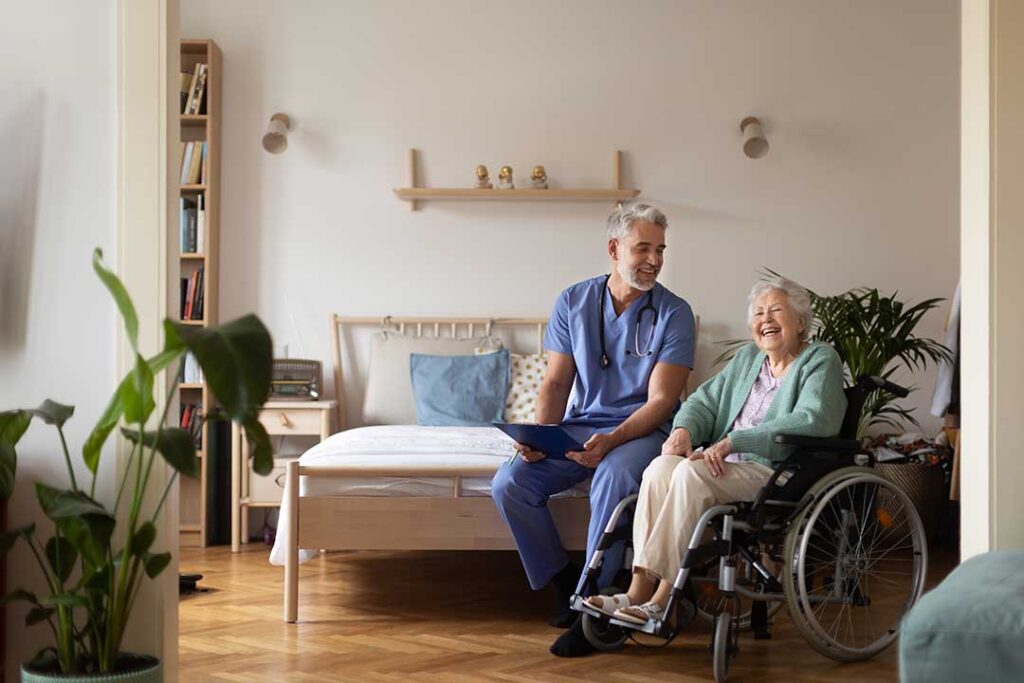
Assisted living should provide support without taking away a person’s identity, preferences, or control over everyday decisions. Promoting dignity and autonomy means helping residents remain active participants in their own lives while providing assistance with safety, health needs, and daily routines.
For residents and families in Brentwood, PA, this balance can shape everything from morning schedules to personal care, meals, visitors, privacy, and participation in the community.
What do dignity and autonomy mean in assisted living?
Dignity means being treated as a whole person rather than as a diagnosis, task, or room number. Autonomy means having a meaningful role in decisions about daily life, even when a resident needs help with mobility, medication, memory, or personal care.
A resident may not be able to manage every task independently, but that does not mean the person should lose the ability to choose. Examples include deciding:
- What time to get up or go to bed
- Which clothing to wear
- Whether to join an activity
- What foods to eat or avoid
- How to arrange personal belongings
- Who may visit and when
- How much assistance is wanted with a particular task
The level of independence may change over time. Respectful support adjusts with those changes instead of assuming that increased assistance means a complete loss of decision-making.
How can staff support choice during daily routines?
Small choices are often more meaningful than formal activities. A resident who cannot safely shower alone may still choose the preferred time, soap, towel, clothing, and amount of assistance. A person who needs help dressing may select between two outfits.
Staff can support autonomy by:
- Asking before entering a room
- Explaining what will happen before providing care
- Offering realistic choices rather than open-ended questions that may feel overwhelming
- Allowing enough time for a response
- Avoiding unnecessary rushing
- Speaking directly to the resident instead of speaking only to family members
- Describing assistance as support rather than taking over automatically
A helpful question is, “How would you like to do this?” rather than assuming that the fastest method is the right method.
Why does privacy matter in assisted living?
Privacy is a basic part of dignity. Residents should be able to expect respectful handling of personal care, health information, conversations, possessions, and visitors.
Practical privacy protections include knocking before entering, closing doors or curtains during bathing and dressing, lowering voices during sensitive discussions, and avoiding conversations about a resident in hallways or shared spaces.
Room arrangements also matter. Shared living spaces require clear expectations about personal belongings, noise, lighting, visitors, and private conversations. Residents should have a way to express concerns if these arrangements become uncomfortable.
Families can help by asking how privacy is protected during care and how a resident’s preferences are documented. A resident’s wishes should remain central even when relatives are involved.
How can assisted living preserve independence while keeping residents safe?
Safety and autonomy are not opposites. The goal is usually to reduce avoidable hazards while allowing the resident to take reasonable, informed risks.
For example, a resident who walks slowly may need a clear path, appropriate footwear, and access to mobility equipment. That does not automatically mean the person should be discouraged from walking. Someone who enjoys gardening might be able to continue with raised planters, scheduled assistance, or tools that are easier to handle.
Support may include:
- Adjusting the environment
- Using reminders or visual cues
- Breaking tasks into smaller steps
- Providing supervision only when needed
- Reviewing changes in balance, vision, hearing, or memory
- Reassessing support after illness or a fall
Overprotective routines can unintentionally cause loss of strength, confidence, and social connection. A safer approach identifies what the resident can still do and builds support around those abilities.
What role should residents have in care planning?
Residents should be included in discussions about their routines, preferences, health goals, and assistance needs whenever they are able to participate. Care planning should not be treated as a one-time form. Needs and preferences can change after hospitalization, medication changes, seasonal illnesses, or changes in mobility.
Useful questions include:

- What parts of the day feel most important to you?
- Which tasks do you want to do yourself?
- What kind of help feels respectful?
- Are there activities you no longer enjoy?
- What makes you feel rushed, embarrassed, or ignored?
- What would help you stay connected with family or neighbors?
- What should staff know about cultural, religious, food, or sleep preferences?
A resident may have a legally authorized decision-maker for certain matters, but that does not erase the resident’s voice. The resident should still be involved to the greatest extent possible.
How can communication protect dignity for people with memory loss?
Memory loss does not remove the need for respect. A person may forget names, repeat questions, or become confused about time, but still experience embarrassment, frustration, comfort, and pride.
Helpful communication includes using a calm tone, offering one question at a time, allowing extra response time, and correcting gently when correction is necessary. Arguments, public embarrassment, teasing, and speaking about a resident as though the person is not present can damage trust.
For a resident with cognitive changes, autonomy may be supported through familiar routines, labeled drawers, visible clocks, simple choices, and meaningful tasks. The objective is not to test memory. It is to help the person participate successfully.
What should families watch for?
Families often notice dignity concerns before a formal complaint is made. Warning signs may include a resident appearing unusually withdrawn, fearful, embarrassed, or reluctant to ask for help. Other concerns can include unexplained changes in grooming, repeated reports of being ignored, belongings being moved without explanation, or staff routinely making decisions without consulting the resident.
Families can ask neutral, specific questions:
- “How does my family member choose clothing and meal options?”
- “What happens if the resident declines an activity or care task?”
- “How are personal preferences communicated across different shifts?”
- “How are complaints or requests documented?”
- “How does the care plan change when abilities change?”
Specific examples are generally more useful than broad statements. Note the date, situation, people involved, and requested resolution when a concern needs follow-up.
How do seasonal conditions affect autonomy locally?
Weather and seasonal conditions can influence independence in the community. During cold weather, residents may need extra time for coats, shoes, and mobility equipment before leaving a building. Wet or icy walkways can affect outdoor activity and transportation. Warm-weather routines may require attention to hydration, shade, and comfortable clothing.
These conditions should lead to thoughtful planning, not automatic restriction. A resident may still be able to enjoy outdoor time, attend a preferred activity, or visit with family if the timing, clothing, route, and supervision are adjusted appropriately.
What does respectful assisted living look like day to day?
Respect is visible in ordinary moments: a resident is addressed by the preferred name, asked before assistance is given, given time to answer, and included in conversations about personal care. Preferences are remembered, mistakes are handled privately, and support is offered without treating the person as incapable.
A strong standard is simple: assistance should preserve as much choice, privacy, participation, and control as the resident can safely maintain. That standard can guide families, residents, and care teams through changing needs while keeping the person—not the task—at the center of daily life.
